
Hiring a tree removal company is about far more than finding someone with the right equipment. Tree removal is one of the highest-risk services in the landscaping and arboriculture industry because it involves working at heights, operating heavy machinery, and handling unpredictable natural hazards.
Whether the job involves removing a dangerous tree near a home or clearing storm-damaged branches, accidents can happen even with the most experienced professionals.
For property owners, understanding the insurance carried by a tree removal company is just as important as checking their qualifications and experience. Appropriate insurance protects both the contractor and the customer from unexpected financial losses if property is damaged, a worker is injured, or an unforeseen incident occurs during the project.
Choosing an uninsured contractor may appear less expensive initially, but it could result in high costs if something goes wrong.
When searching for insured tree removal Melbourne services, it is worth looking beyond pricing alone. A properly insured business demonstrates professionalism, accountability, and a commitment to protecting its clients. It also provides confidence that the company has taken the necessary steps to manage the risks associated with complex tree removal work.
This guide explains the essential types of insurance every professional tree removal company should have, why each policy matters, and how customers can verify that a contractor is adequately protected before any work begins.
Why Insurance Matters in Professional Tree Removal
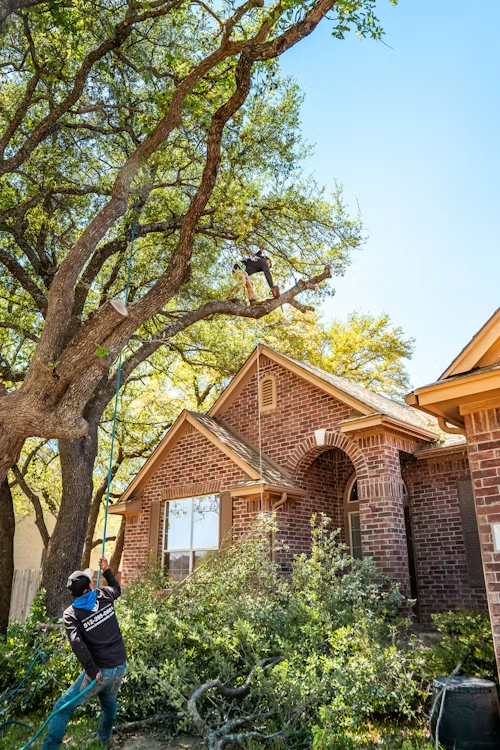
Tree Removal Carries Significant Risks
Tree removal is rarely a straightforward task. Every property presents different challenges, from confined access and overhead power lines to unstable tree structures and changing weather conditions. Even after careful planning, unexpected situations can arise during the removal process.
Large branches may fall unpredictably, machinery can malfunction, or hidden decay within a tree may alter the direction of its fall. Because these risks cannot be eliminated, professional companies rely on comprehensive insurance to protect everyone involved.
Without proper insurance, the financial consequences of an accident can become the responsibility of either the contractor or, in some situations, the property owner. Insurance provides an important safeguard against these potentially expensive outcomes.
Insurance Reflects Professional Standards
Insurance is often an indicator of how seriously a business approaches safety and responsibility. Companies that invest in comprehensive insurance generally understand industry standards and recognise the importance of managing workplace risks.
Professional operators are usually willing to provide proof of insurance before commencing work. They understand that informed customers appreciate transparency and expect contractors to operate responsibly.
Businesses that avoid discussing insurance or cannot provide current documentation should raise concerns, regardless of how competitive their pricing may be.
Public Liability Insurance Protects Property Owners
Covering Accidental Property Damage
Public liability insurance is one of the most important policies any professional tree removal company should carry. This insurance protects if the contractor accidentally damages someone else’s property while performing the work.
Tree removal often takes place close to homes, garages, fences, driveways, vehicles, swimming pools, and neighbouring properties. Even with careful planning, a falling branch or equipment failure may result in accidental damage.
A comprehensive public liability policy ensures that repair or replacement costs are covered without placing financial pressure on the property owner.
Protection Against Third-Party Injuries
Public liability insurance also covers injuries suffered by third parties. For example, if a visitor, neighbour, or passer-by is injured because of tree removal activities, the insurance may help cover medical expenses and legal costs.
This protection benefits both the contractor and the client by reducing the financial risks associated with unexpected incidents.
Professional tree removal companies typically maintain substantial levels of public liability cover due to the nature of their work and the potential severity of claims.
Workers’ Compensation Insurance Supports Employee Safety
Protecting Employees on the Job
Tree removal involves climbing, chainsaw operation, heavy lifting, elevated work platforms, wood chippers, and other specialised equipment. These activities expose workers to considerable physical risks every day.
Workers’ compensation insurance provides financial support if an employee suffers a work-related injury or illness. This may include medical treatment, rehabilitation, income replacement, and ongoing care where necessary.
A professional company values its workforce and ensures employees are protected while performing demanding tasks.
Reducing Legal Risks for Clients
When a contractor employs staff without appropriate workers’ compensation insurance, legal complications may arise if an employee is injured on a customer’s property.
Hiring a properly insured company helps reduce the likelihood that property owners become involved in costly legal disputes related to workplace injuries.
Although workplace laws differ across Australian states and territories, professional businesses understand their legal responsibilities and maintain appropriate employee insurance at all times.
Professional Indemnity Insurance Provides Extra Protection
Advice Can Influence Major Decisions
Tree removal companies often provide recommendations regarding tree health, structural stability, pruning requirements, and removal options.
Clients frequently rely on this professional advice when making important decisions about their property.
Professional indemnity insurance helps protect the business if advice, recommendations, or assessments are later alleged to have caused financial loss.
Supporting Qualified Expertise
Not every tree requires removal. Some trees may only require pruning, disease management, or structural support.
Qualified professionals assess numerous factors before recommending removal, including tree species, structural condition, safety concerns, environmental considerations, and local council requirements.
Professional indemnity insurance demonstrates that a company accepts responsibility for the advice it provides throughout the consultation process.
Commercial Vehicle Insurance Covers Transport Risks
Heavy Equipment Requires Specialised Cover
Professional tree removal businesses rely on numerous vehicles, including trucks, trailers, elevated work platforms, cranes, stump grinders, and wood chippers.
Commercial vehicle insurance protects these vehicles while travelling between job sites and during work-related transport.
Without adequate vehicle insurance, accidents involving expensive machinery could significantly disrupt operations and increase costs for both contractors and clients.
Equipment Transport Presents Unique Hazards
Transporting heavy equipment creates additional risks compared with ordinary vehicles.
Large machinery requires specialised loading procedures, secure restraints, and experienced operators. Commercial vehicle insurance protects against accidents, theft, fire, vandalism, and damage occurring during transport.
Reliable contractors understand that maintaining appropriate vehicle insurance forms an essential part of their overall risk management strategy.
Equipment and Machinery Insurance Keeps Projects Moving
Expensive Equipment Needs Protection
Modern tree removal relies on specialised equipment worth many thousands of dollars.
Chainsaws, climbing equipment, stump grinders, cranes, hydraulic lifts, wood chippers, and safety gear represent major business investments.
Equipment insurance helps cover repair or replacement costs if machinery is stolen, damaged, or destroyed by unforeseen events.
Minimising Project Delays
Equipment breakdowns can delay projects significantly if businesses cannot quickly repair or replace essential machinery.
Insurance enables professional companies to recover faster after unexpected losses, allowing projects to continue with minimal disruption.
Clients benefit because insured businesses are generally better prepared to complete work within agreed timeframes despite unforeseen circumstances.
Contract Works Insurance Adds Another Layer of Protection
Cover During Active Projects
Contract works insurance protects while tree removal projects are actively underway.
This policy may cover accidental damage to completed work, materials, temporary structures, and certain project-related risks before the job reaches completion.
Although not every tree removal company carries this policy, it can provide valuable protection during larger commercial or complex residential projects.
Confidence Throughout the Entire Job
Unexpected weather events, vandalism, or accidental damage may interrupt ongoing work.
Contract works insurance helps businesses recover from these situations without imposing additional financial burdens on clients.
It reflects careful planning and comprehensive risk management across every stage of the project.
How Customers Can Verify Insurance Before Hiring
Request Current Certificates
Professional contractors understand that customers have every right to verify insurance before work begins.
Rather than relying on verbal assurances, request copies of current insurance certificates. These documents should clearly show the insurer, policy type, coverage limits, and expiry date.
Reviewing these details helps confirm that the business maintains active protection throughout the scheduled work period.
Ask Relevant Questions
Customers should feel comfortable asking practical questions about insurance coverage.
For example, ask whether public liability insurance covers neighbouring properties, whether subcontractors are insured, and whether workers’ compensation applies to every employee working on site.
A reputable contractor will answer these questions openly and explain the protections available without hesitation.
The Risks of Hiring an Uninsured Tree Removal Company
Low Prices May Hide Serious Problems
Some uninsured operators attract customers by offering prices significantly below market rates.
While lower costs may appear appealing, they often reflect reduced business expenses achieved by avoiding insurance premiums, proper training, or compliance requirements.
If an accident occurs, these short-term savings can quickly disappear through repair costs, legal disputes, or project delays.
Financial Liability Can Become Complicated
Property damage involving neighbouring homes, damaged vehicles, broken fences, or injured individuals may result in substantial compensation claims.
Without insurance, recovering these costs can become difficult if the contractor lacks sufficient financial resources.
Choosing an insured professional helps minimise uncertainty and provides reassurance that appropriate financial protection exists should unexpected situations arise.
Insurance Works Best Alongside Strong Safety Practices
Prevention Remains the Highest Priority
Insurance provides financial protection, but preventing accidents remains the primary goal.
Professional tree removal companies invest heavily in safety procedures, equipment maintenance, staff training, risk assessments, and compliance with Australian workplace safety standards.
Insurance supports these efforts rather than replacing them.
Ongoing Training Strengthens Risk Management
Well-trained arborists continually update their knowledge of climbing techniques, rigging systems, chainsaw operation, emergency procedures, and hazard identification.
Regular training reduces accident rates while improving efficiency and work quality.
Companies that prioritise both safety education and comprehensive insurance demonstrate a strong commitment to professional standards and customer protection.
Choosing a Company That Prioritises Protection
Insurance Should Never Be an Afterthought
Insurance should be considered a basic requirement rather than an optional extra when selecting a tree removal contractor.
Alongside qualifications, experience, equipment quality, and customer reviews, insurance provides valuable insight into how responsibly a business operates.
Professional companies understand that protecting clients is an essential part of delivering quality service.
Peace of Mind Has Lasting Value
Tree removal often involves valuable homes, mature landscapes, neighbouring properties, and public spaces.
Knowing that appropriate insurance is in place allows property owners to proceed with confidence, understanding that unexpected incidents can be managed professionally if they occur.
While insurance may never need to be used, its presence provides reassurance throughout the entire project.
Frequently Asked Questions
Is public liability insurance enough for a tree removal company?
No. Public liability insurance is essential, but professional tree removal companies should also carry workers’ compensation insurance, commercial vehicle insurance, equipment insurance, and, where appropriate, professional indemnity and contract works insurance. Together, these policies provide comprehensive protection for both the business and its clients.
Can I ask to see a tree removal company’s insurance certificate?
Yes. Reputable companies are generally happy to provide current insurance certificates before commencing work. Reviewing these documents allows you to confirm that the policies are active and suitable for the type of work being performed.
Does insurance guarantee high-quality tree removal work?
Insurance does not guarantee workmanship, but it demonstrates that a company takes its professional responsibilities seriously. It should be considered alongside qualifications, industry experience, safety practices, customer reviews, and compliance with Australian regulations when selecting a tree removal contractor.
Conclusion
Selecting a professional tree removal company involves much more than comparing prices. Comprehensive insurance plays a vital role in protecting property owners, employees, neighbouring properties, and the business itself from the financial consequences of unexpected incidents.
Public liability insurance, workers’ compensation, professional indemnity, commercial vehicle cover, equipment insurance, and contract works insurance each contribute to a well-rounded approach to risk management.
By verifying that a contractor carries appropriate insurance before work begins, property owners can make informed decisions with greater confidence, knowing they have chosen a business that values professionalism, accountability, and safety throughout every stage of the tree removal process.