
As supply chains become more complex and customer expectations continue to rise, logistics businesses need technology that goes far beyond simple shipment tracking. Companies are expected to coordinate freight movements, manage warehouses, communicate with customers, optimise transport routes, process documentation, and generate business insights—all while maintaining speed and accuracy.
Managing these responsibilities manually or through disconnected systems often leads to delays, increased costs, and operational inefficiencies. This is why many organisations are investing in Enterprise Logistics Software Australia to streamline operations and improve visibility across the entire supply chain.
Enterprise logistics software provides a unified platform that connects every stage of logistics management, from order processing and inventory control to freight planning, dispatch, customer communication, invoicing, and reporting.
Rather than relying on multiple standalone applications, businesses can manage their entire logistics ecosystem from one integrated system. This not only improves operational efficiency but also enables businesses to make faster, data-driven decisions.
One of the most common questions businesses ask when exploring digital logistics solutions is, “Which software is commonly used in logistics?”
The answer depends on the size and complexity of the organisation, but the most commonly used logistics software includes Transportation Management Systems (TMS), Warehouse Management Systems (WMS), Enterprise Resource Planning (ERP) systems, Freight Management Software (FMS), Customer Relationship Management (CRM) platforms, Inventory Management Systems (IMS), and integrated Enterprise Logistics Software that combines many of these capabilities into one solution.
These systems work together to improve operational efficiency, automate workflows, and provide complete visibility across the supply chain.
Understanding the role of enterprise logistics software helps businesses choose technology that supports growth, improves customer service, and enhances long-term operational performance.
Why Enterprise Logistics Software Is Essential
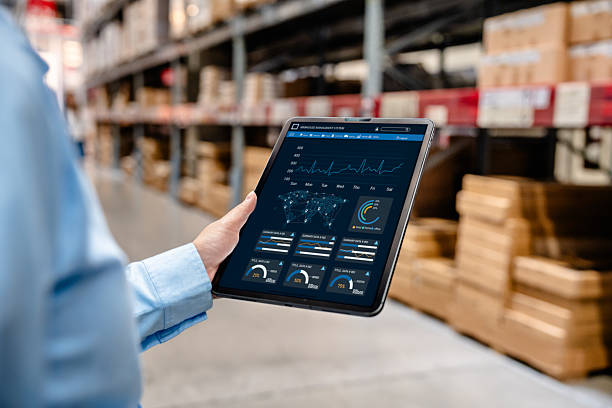
Modern logistics operations involve far more than transporting goods.
Businesses must coordinate multiple departments, suppliers, customers, warehouses, transport providers, and delivery schedules simultaneously. Without an integrated platform, information often becomes fragmented, increasing the risk of delays, errors, and communication breakdowns.
Enterprise logistics software brings every critical process together, creating a more efficient and connected operation.
Which Software Is Commonly Used in Logistics?
Several software platforms are widely used throughout the logistics industry, each serving a specific purpose.
Transportation Management System (TMS)
A Transportation Management System helps businesses plan, execute, and optimise freight transportation.
It assists with route planning, carrier selection, shipment scheduling, freight costing, delivery tracking, and transport performance monitoring. By improving transportation efficiency, businesses can reduce costs while delivering goods more reliably.
Warehouse Management System (WMS)
Warehouse Management Systems focus on inventory storage and warehouse operations.
These systems help manage receiving, stock movements, order picking, packing, inventory accuracy, and dispatch activities. A WMS improves warehouse productivity while reducing inventory errors.
Enterprise Resource Planning (ERP)
ERP software integrates multiple business functions into one platform.
Finance, procurement, inventory, sales, human resources, and logistics all share the same information, allowing businesses to make better operational decisions through connected data.
Freight Management Software (FMS)
Freight Management Software is designed specifically for freight operators and logistics providers.
It manages shipment bookings, dispatching, customer communication, invoicing, freight tracking, documentation, and operational reporting within one central platform.
Customer Relationship Management (CRM)
A CRM helps logistics businesses manage customer relationships.
Customer records, communication history, quotations, shipment preferences, service requests, and sales opportunities remain organised, allowing businesses to provide faster and more personalised customer service.
Inventory Management Systems (IMS)
Inventory software monitors stock levels across warehouses and distribution centres.
Real-time inventory visibility reduces stock shortages, overstocking, and unnecessary storage costs.
Benefits of Enterprise Logistics Software
Integrated software delivers measurable improvements across the business.
Greater Operational Efficiency
Automated workflows reduce repetitive administrative tasks.
Employees spend less time on manual data entry and more time managing customers and improving operational performance.
Real-Time Visibility
Managers gain complete oversight of freight movements, warehouse activity, inventory, customer orders, and delivery performance.
Real-time information enables quicker responses to operational challenges.
Improved Accuracy
Integrated systems minimise duplicated data entry.
Accurate information reduces billing errors, shipment mistakes, and inventory discrepancies.
Better Customer Service
Customers expect accurate delivery updates and prompt communication.
Enterprise logistics software enables businesses to provide real-time shipment information while responding to enquiries more efficiently.
Stronger Decision-Making
Business intelligence dashboards and reporting tools provide valuable operational insights.
Managers can monitor key performance indicators, identify trends, and make informed strategic decisions.
Core Features of Enterprise Logistics Software
Modern logistics platforms combine multiple operational functions.
Order Management
Customer orders are processed efficiently from initial booking through final delivery.
Automated workflows reduce delays while improving order accuracy.
Freight Planning
Dispatch teams coordinate vehicles, drivers, routes, and delivery schedules from one central system.
Optimised planning improves resource utilisation.
Shipment Tracking
Real-time freight tracking provides visibility throughout the delivery process.
Customers and internal teams remain informed at every stage.
Document Management
Delivery notes, invoices, manifests, customs documentation, and proof of delivery remain securely stored within the platform.
Digital documentation reduces paperwork while improving accessibility.
Financial Management
Integrated invoicing, billing, payment tracking, and reporting simplify financial administration.
Accurate billing improves cash flow management.
Who Benefits from Enterprise Logistics Software?
Businesses across the supply chain can benefit from integrated technology.
Freight Companies
Transport operators improve dispatch efficiency, customer communication, and shipment visibility.
Automation reduces administrative workload.
Third-Party Logistics Providers
3PL companies manage multiple clients more efficiently through centralised operations.
Improved coordination supports consistent service quality.
Warehousing Businesses
Warehouse operators benefit from inventory control, order management, and real-time stock visibility.
Automation increases productivity.
Distribution Companies
Distribution businesses coordinate inventory, deliveries, and customer orders more effectively using integrated software.
Connected workflows improve operational performance.
How Enterprise Logistics Software Supports Business Growth
Technology plays an important role in business expansion.
Scalability
Enterprise systems accommodate increasing shipment volumes without significantly increasing administrative workloads.
Businesses can grow confidently while maintaining efficiency.
Process Standardisation
Consistent workflows improve operational quality across multiple locations.
Standardised procedures reduce variability and improve service delivery.
Performance Monitoring
Business dashboards provide ongoing visibility into productivity, customer satisfaction, transport efficiency, and financial performance.
Continuous monitoring supports ongoing improvement.
Competitive Advantage
Businesses that adopt integrated logistics technology are often better positioned to deliver faster, more reliable, and more transparent services.
Technology becomes a key differentiator.
Emerging Trends in Logistics Software
The logistics industry continues to embrace digital innovation.
Artificial Intelligence
AI supports predictive maintenance, demand forecasting, route optimisation, and operational planning.
Smarter automation improves decision-making.
Cloud Computing
Cloud-based platforms provide secure access from virtually anywhere.
Businesses gain greater flexibility while supporting remote collaboration.
Internet of Things (IoT)
Connected sensors monitor vehicles, freight conditions, equipment, and warehouse assets in real time.
IoT improves operational visibility.
Advanced Analytics
Modern reporting tools convert operational data into actionable insights.
Businesses identify improvement opportunities more quickly.
Choosing the Right Enterprise Logistics Software
Selecting the right solution requires careful planning.
User-Friendly Design
Software should be intuitive and easy for employees to learn.
Simple interfaces improve adoption and productivity.
Integration Capabilities
The platform should integrate with accounting systems, warehouse technology, customer portals, GPS tracking, and other business applications.
Integrated systems eliminate duplicated work.
Reliable Technical Support
Professional support ensures businesses receive assistance whenever required.
Reliable service contributes to long-term operational success.
Future Flexibility
Businesses should select software capable of supporting future growth and changing operational requirements.
Flexible solutions provide greater long-term value.
Frequently Asked Questions
Which software is commonly used in logistics?
The most commonly used logistics software includes Transportation Management Systems (TMS), Warehouse Management Systems (WMS), Enterprise Resource Planning (ERP) software, Freight Management Software (FMS), Customer Relationship Management (CRM) systems, Inventory Management Systems (IMS), and integrated Enterprise Logistics Software that combines multiple business functions into one platform.
Why do logistics companies use enterprise software?
Enterprise logistics software improves operational efficiency, automates repetitive processes, enhances shipment visibility, strengthens customer service, supports better reporting, and connects multiple business functions within one integrated system.
Is enterprise logistics software suitable for growing businesses?
Yes. Many enterprise logistics platforms are designed to scale with business growth, allowing organisations to manage increasing shipment volumes, larger customer bases, and more complex supply chain operations without sacrificing efficiency.
Conclusion
The logistics industry continues to evolve as businesses seek faster, smarter, and more efficient ways to manage increasingly complex supply chains. Manual processes and disconnected systems can no longer support the operational demands of modern freight and logistics businesses.
Enterprise Logistics Software Australia provides an integrated platform that connects transportation, warehousing, customer management, inventory, reporting, and financial processes into one streamlined solution.
Understanding which software is commonly used in logistics helps businesses identify the technologies that best support their operational goals.
Whether using Transportation Management Systems, Warehouse Management Systems, ERP platforms, CRM software, or fully integrated enterprise logistics solutions, the right technology improves visibility, increases efficiency, reduces costs, and enhances customer satisfaction.
By investing in comprehensive enterprise logistics software, organisations position themselves for sustainable growth, stronger operational performance, and long-term success in an increasingly competitive logistics landscape.