
Commercial transport has become one of the most important parts of business operations across Australia. Industries such as construction, mining, logistics, agriculture, utilities, telecommunications, healthcare, emergency services, and trade services all rely heavily on commercial vehicles to maintain daily productivity and customer service.
As businesses continue expanding and operational demands become more complex, companies increasingly depend on organised and reliable fleet systems to improve efficiency, reduce costs, and maintain long-term operational performance.
This growing demand has significantly increased the importance of fleet solutions in Australia. Modern fleet solutions involve much more than simply managing commercial vehicles because businesses now require integrated systems that support vehicle maintenance, driver management, tracking technology, fuel efficiency, scheduling, safety compliance, and customised vehicle fit-outs.
Fleet solutions help businesses operate more effectively while improving vehicle reliability and overall productivity.
Many people interested in fleet operations and management often ask an important question: how much do fleet managers make in Australia? Fleet manager salaries in Australia can vary depending on industry, company size, location, fleet complexity, and experience level.
In general, fleet managers in Australia can earn competitive salaries because their role involves overseeing valuable business assets, managing operational efficiency, coordinating maintenance, supervising drivers, and ensuring compliance with transport regulations and workplace safety standards.
Fleet Solutions Australia has become a rapidly growing industry because businesses now recognise that organised fleet management directly affects operational success. Companies operating commercial fleets require practical solutions that help maintain vehicle reliability, reduce downtime, improve safety, and support efficient mobile workforces.
This guide explores fleet solutions in Australia, explains the role of fleet managers, discusses salary expectations, examines the industries that rely on fleet systems, and highlights the many benefits businesses gain through professional fleet management and support services.
Understanding Fleet Solutions in Australia
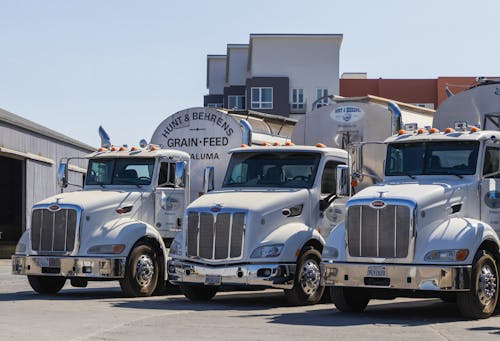
Fleet solutions refer to the systems, technologies, services, and operational strategies used to manage commercial vehicle fleets efficiently. In Australia, fleet solutions are widely used by businesses that depend heavily on transportation, field operations, logistics, and mobile workforces.
Fleet solutions may include vehicle leasing, maintenance coordination, fuel management, driver supervision, GPS tracking, scheduling systems, compliance management, and custom vehicle fit-outs. The purpose of these solutions is to improve operational organisation while reducing unnecessary costs and downtime.
Modern Australian businesses often operate large fleets across multiple locations and demanding environments. Fleet solutions help companies coordinate these operations more effectively while improving vehicle reliability and workplace productivity.
Fleet management has become increasingly technology-driven, with many businesses now using digital systems capable of monitoring vehicle performance, fuel consumption, route efficiency, maintenance schedules, and driver behaviour in real time.
As commercial transport operations continue evolving throughout Australia, fleet solutions have become essential for maintaining safe, organised, and cost-effective business operations.
What Do Fleet Managers Do
Fleet managers play a major role in overseeing commercial vehicle operations and ensuring fleets operate efficiently and safely.
Managing Vehicle Operations
One of the primary responsibilities of a fleet manager is coordinating daily vehicle operations.
Fleet managers oversee scheduling, vehicle allocation, route planning, and operational logistics to ensure business activities run smoothly. They help businesses maximise productivity while reducing unnecessary operational delays.
Effective vehicle management is especially important for companies operating large or geographically dispersed fleets.
Coordinating Vehicle Maintenance
Fleet managers are responsible for ensuring vehicles remain properly maintained and operational.
This includes organising servicing schedules, inspections, repairs, tyre replacements, and preventive maintenance programs designed to reduce breakdown risks and extend vehicle lifespan.
Well-maintained fleets improve safety while reducing long-term operational costs.
Monitoring Driver Performance
Many fleet managers supervise drivers and monitor driving behaviour using fleet tracking systems and telematics technology.
Monitoring systems help identify unsafe driving habits such as speeding, excessive idling, harsh braking, or poor fuel efficiency.
Fleet managers often organise driver training and safety programs to improve workplace safety and operational standards.
Managing Costs and Budgets
Commercial fleets involve major operating expenses, including fuel, maintenance, insurance, vehicle replacement, and repairs.
Fleet managers help businesses control costs by improving efficiency, reducing waste, and implementing practical operational strategies.
How Much Do Fleet Managers Make in Australia
Fleet manager salaries in Australia vary depending on experience, industry, company size, operational complexity, and geographic location.
Entry-Level Fleet Management Roles
Individuals entering fleet management positions may begin with moderate salary ranges while gaining experience in operations, logistics, scheduling, and vehicle coordination.
Entry-level fleet managers often work under senior operations managers or transport supervisors while developing industry knowledge and management skills.
Mid-Level Fleet Managers
Experienced fleet managers responsible for medium-sized commercial fleets generally earn higher salaries because they manage larger operational responsibilities.
These professionals oversee maintenance programs, driver coordination, budgeting, compliance management, and operational planning.
Mid-level fleet managers are commonly employed by logistics companies, construction firms, utility providers, and service industries.
Senior Fleet Management Positions
Senior fleet managers responsible for large national fleets or highly specialised operations can earn significantly higher salaries.
These positions involve strategic planning, operational leadership, budget management, fleet procurement, compliance oversight, and workforce supervision.
Large mining operations, government agencies, logistics corporations, and industrial organisations often employ senior fleet management professionals.
Factors That Influence Fleet Manager Salaries
Several factors affect fleet manager salaries in Australia.
Industry type plays a major role because sectors such as mining, logistics, and large-scale transport operations often offer higher salaries due to operational complexity and safety responsibilities.
Location can also influence salary levels, especially in remote or high-demand regions.
Experience, certifications, leadership skills, and technical knowledge further affect earning potential within fleet management careers.
Why Fleet Solutions Are Important for Australian Businesses
Fleet solutions provide several important advantages for businesses operating commercial vehicles.
Improving Operational Efficiency
Efficient fleet systems help businesses improve scheduling, route management, communication, and overall workflow coordination.
Organised operations reduce wasted time and improve service responsiveness, helping businesses maintain stronger customer satisfaction and productivity.
Reducing Vehicle Downtime
Vehicle downtime can significantly affect business operations and profitability.
Fleet solutions help businesses monitor vehicle condition, organise maintenance schedules, and reduce the risk of unexpected mechanical failures.
Reliable fleet management improves operational continuity and minimises disruptions.
Supporting Workplace Safety
Commercial fleets operate in demanding environments and often travel long distances across Australia.
Fleet solutions improve safety through driver monitoring systems, maintenance coordination, compliance tracking, and operational oversight.
Safer fleets help reduce accident risks and workplace injuries.
Managing Operating Costs
Fuel, repairs, servicing, insurance, and vehicle replacement costs can place significant financial pressure on businesses.
Fleet solutions help companies improve efficiency and identify opportunities for cost reduction and long-term savings.
Common Fleet Solutions Used Across Australia
Modern businesses use many different fleet management systems and services.
GPS Tracking Systems
GPS tracking systems allow businesses to monitor vehicle locations, routes, and operational activity in real time.
These systems improve communication, scheduling efficiency, and customer service reliability.
Fleet managers can also use tracking data to optimise routes and reduce unnecessary fuel consumption.
Telematics and Vehicle Monitoring
Telematics systems collect data related to fuel usage, driver behaviour, maintenance requirements, and vehicle performance.
Businesses use this information to improve operational decision-making and reduce inefficiencies.
Maintenance Management Systems
Fleet maintenance systems help businesses coordinate servicing schedules, inspections, repairs, and compliance requirements.
Preventive maintenance improves vehicle reliability and extends fleet lifespan.
Fuel Management Programs
Fuel monitoring systems help businesses track fuel consumption and identify inefficiencies caused by poor driving habits or operational practices.
Efficient fuel management supports long-term cost savings and environmental sustainability goals.
Fleet Vehicle Fit-Outs
Many Australian businesses require customised vehicles fitted with shelving systems, service bodies, canopies, refrigeration units, and storage solutions.
Fleet fit-outs improve organisation and support mobile work environments.
Industries That Depend on Fleet Solutions Australia
Fleet solutions support many Australian industries that rely heavily on commercial transport systems.
Construction and Trade Services
Builders, plumbers, electricians, and contractors require organised vehicle systems capable of transporting tools, equipment, and materials safely.
Fleet solutions improve scheduling, maintenance coordination, and operational efficiency.
Mining and Industrial Operations
Mining companies operate large fleets in remote and demanding environments.
Fleet systems help improve vehicle reliability, safety management, and operational coordination.
Logistics and Freight Transport
Transport companies depend heavily on route planning, fuel management, tracking systems, and maintenance programs to maintain delivery efficiency.
Fleet solutions help logistics businesses improve productivity and customer service.
Agriculture and Rural Services
Agricultural businesses use commercial vehicles for transporting equipment, supplies, and workers across large properties.
Fleet management improves reliability and operational organisation in rural environments.
Utilities and Telecommunications
Utility providers and telecommunications companies rely heavily on service fleets to maintain infrastructure and respond to repairs.
Fleet solutions support communication, scheduling, and mobile workforce management.
Technology and Innovation in Fleet Solutions
Technology continues transforming how businesses manage commercial fleets.
Artificial Intelligence and Data Analysis
Modern fleet systems increasingly use artificial intelligence to analyse vehicle performance, fuel efficiency, maintenance trends, and driver behaviour.
These technologies help businesses improve decision-making and operational planning.
Electric Fleet Vehicles
Electric commercial vehicles are becoming more common throughout Australia as businesses seek lower emissions and reduced fuel costs.
Fleet management systems are adapting to support electric vehicle charging and battery monitoring.
Cloud-Based Fleet Platforms
Cloud technology allows businesses to access fleet data remotely from multiple devices and locations.
This improves operational flexibility and communication across larger organisations.
Automated Reporting Systems
Modern fleet systems generate automated operational reports related to maintenance, fuel usage, safety compliance, and vehicle performance.
Automated reporting improves efficiency and reduces administrative workload.
Benefits of Professional Fleet Management
Businesses gain several important advantages through professional fleet management systems and services.
Better Vehicle Reliability
Regular maintenance and organised operational planning help businesses maintain reliable fleets with fewer breakdowns and operational disruptions.
Improved Productivity
Efficient scheduling, organised communication, and properly equipped vehicles help workers perform tasks more effectively.
Lower Long-Term Costs
Fleet solutions help businesses reduce fuel waste, repair expenses, downtime, and unnecessary operational inefficiencies.
Enhanced Business Reputation
Reliable fleet operations improve customer confidence and strengthen business professionalism.
Well-maintained and organised fleets reflect positively on the company.
Challenges Businesses Face With Fleet Management
Although fleet solutions provide many advantages, businesses still face several operational challenges.
Rising Fuel Costs
Fuel prices continue to affect fleet operating expenses throughout Australia.
Businesses must improve efficiency and monitor consumption carefully.
Compliance and Safety Requirements
Fleet operations must comply with transport regulations, workplace safety laws, and environmental standards.
Maintaining compliance requires ongoing management and operational oversight.
Driver Shortages
Some industries face difficulties recruiting and retaining experienced commercial drivers.
Fleet managers must support driver wellbeing and workplace satisfaction.
Technology Integration
Implementing modern fleet systems may require staff training and operational adjustments.
Businesses must ensure employees understand how to use new technologies effectively.
Sustainability in Fleet Solutions Australia
Sustainability is becoming increasingly important within Australian fleet management.
Fuel Efficiency Strategies
Businesses are investing in route optimisation and lightweight vehicle designs to reduce fuel consumption.
Electric and Hybrid Fleets
Electric fleet vehicles are becoming more practical as charging infrastructure expands across Australia.
Environmentally Responsible Maintenance
Many fleet providers now prioritise sustainable servicing practices and environmentally responsible waste management.
Renewable Energy Integration
Some businesses are integrating solar charging systems and renewable energy technology into fleet operations.
Frequently Asked Questions
How much do fleet managers make in Australia?
Fleet manager salaries in Australia vary depending on experience, industry, location, and operational responsibilities. Larger fleets and specialised industries often offer higher salaries.
What do fleet managers do?
Fleet managers oversee vehicle operations, maintenance coordination, driver management, fuel efficiency, scheduling, safety compliance, and operational planning for commercial fleets.
Why are fleet solutions important?
Fleet solutions improve efficiency, reduce downtime, support workplace safety, lower operating costs, and help businesses manage commercial vehicles more effectively.
Conclusion
Fleet Solutions Australia has become an essential part of modern business operations across many industries. Commercial fleets play a critical role in supporting transportation, field services, logistics, maintenance operations, and customer service throughout the country.
As businesses continue growing and operational demands become more complex, organised fleet management systems provide the support needed to maintain productivity, reliability, and efficiency.
Understanding how much fleet managers make in Australia also highlights the importance of skilled professionals responsible for managing valuable commercial assets and coordinating large-scale transport operations. Fleet managers help businesses improve operational performance, maintain safety standards, reduce costs, and support long-term fleet reliability.
As technology continues evolving and Australian industries increasingly depend on efficient transport systems, fleet solutions will remain essential for businesses seeking smarter operational strategies and stronger long-term performance.
Through advanced tracking systems, maintenance management, customised fit-outs, and professional operational planning, modern fleet solutions continue helping Australian businesses operate more effectively in highly competitive industries.