
Tooth decay remains one of the most common dental problems affecting both children and adults. While brushing, flossing, and regular check-ups all play a role in maintaining oral health, fluoride is often at the centre of effective prevention. The role of fluoride in preventing tooth decay has been studied for decades, and its value in strengthening teeth and reducing cavities is widely recognised.
If you’re seeking advice or preventative care options, professionals at elwood dentocare often recommend fluoride as part of a comprehensive dental routine. This guide will explain how fluoride works, its various applications, and how it supports strong, decay-resistant teeth.
What Is Fluoride?
Natural Mineral Found in the Environment
Fluoride is a naturally occurring mineral found in water, soil, rocks, and certain foods. It is not man-made, though it can be added to products such as toothpaste and mouth rinses for oral health benefits. In dentistry, fluoride helps protect teeth from the acids that form when sugars and bacteria interact in the mouth.
Role in Oral Health
Fluoride works by making the enamel more resistant to acid attacks. It supports remineralisation—the process where minerals are redeposited in weakened tooth enamel—and helps prevent the breakdown that leads to decay. It can even stop early decay from progressing.
How Tooth Decay Develops
Bacteria and Sugars Create Acid
Tooth decay starts when bacteria in the mouth feed on sugars from food and drinks. These bacteria produce acid, which erodes the enamel and forms small holes or cavities. If untreated, decay can progress to deeper layers of the tooth, causing pain, infection, or even tooth loss.
Enamel Breakdown
The outer layer of teeth, called enamel, is strong but not invincible. Without protection, enamel can wear away over time. Once enamel is gone, it doesn’t grow back, which is why early protection through fluoride is essential.
How Fluoride Prevents Tooth Decay
Strengthening Tooth Enamel
Fluoride helps harden enamel, especially in children whose teeth are still developing. Stronger enamel is more resistant to the acids that lead to decay. Fluoride ions are absorbed into the enamel surface and interact with calcium and phosphate to form fluorapatite, a more acid-resistant mineral.
Reversing Early Decay
One of the most valuable benefits of fluoride is its ability to reverse early stages of tooth decay. When fluoride is present in the mouth, it aids in remineralising enamel and restoring strength to weak spots before a cavity forms.
Slowing Bacterial Activity
Fluoride also disrupts the metabolism of cavity-causing bacteria. It interferes with the bacteria’s ability to produce acid, helping to limit further damage.
Different Sources of Fluoride
Community Water Fluoridation
Many public water supplies in Australia contain added fluoride at safe and effective levels. Drinking fluoridated water throughout life has been shown to reduce tooth decay significantly across all age groups.
Fluoridated Toothpaste
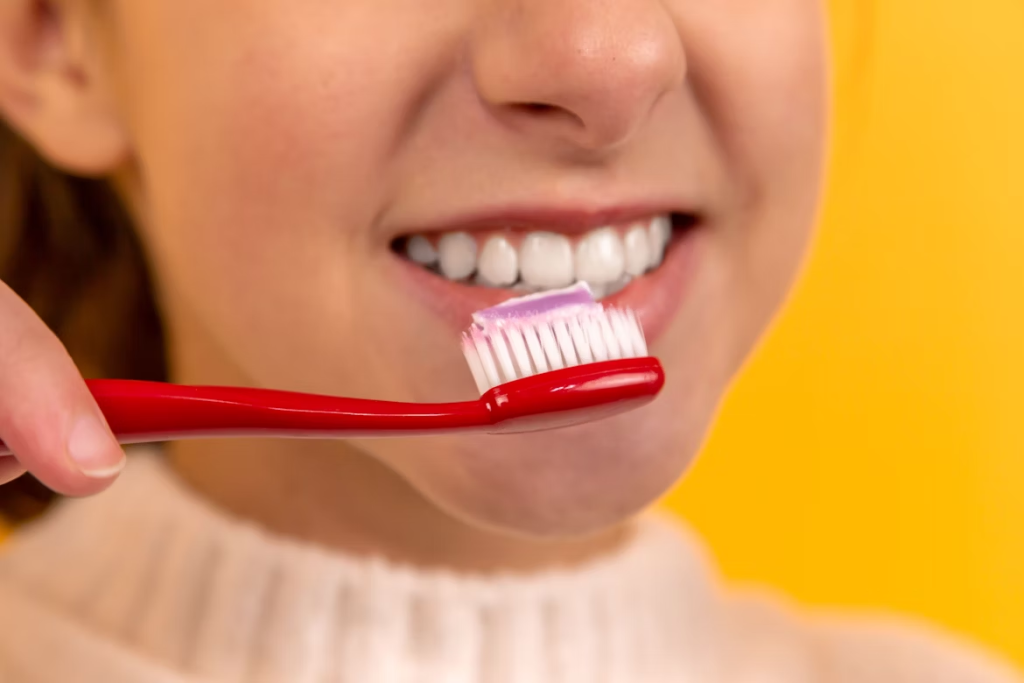
Most standard toothpaste brands include fluoride. Brushing twice daily with fluoride toothpaste is one of the most direct ways to strengthen enamel and protect against decay. Children should use a pea-sized amount to avoid swallowing too much fluoride.
Fluoride Mouth Rinses
Some mouth rinses also contain fluoride and are recommended for people who are at higher risk of cavities. These are often used under the guidance of a dental professional and can help maintain enamel strength between brushing sessions.
Professional Fluoride Treatments
Dental clinics offer fluoride treatments in the form of gels, foams, or varnishes. These are applied during check-ups and provide a higher concentration of fluoride than over-the-counter products. They’re especially useful for patients with sensitive teeth, dry mouth, or frequent cavities.
Fluoride Use in Children and Adults
Early Protection for Children
Fluoride is essential for children because it helps in the development of strong, healthy permanent teeth. Dentists may recommend fluoride supplements or professional treatments if a child is not receiving enough from water and toothpaste alone. Application should be supervised to avoid overuse.
Ongoing Benefits for Adults
Adults also benefit from fluoride, especially those with gum recession, worn enamel, or dental restorations. It protects exposed roots, which are more vulnerable to decay, and helps extend the lifespan of dental work such as crowns or fillings.
Myths and Facts About Fluoride
Myth: Fluoride Is Dangerous
Fact: When used correctly, fluoride is safe and effective. Community water fluoridation is supported by major health organisations and has been used safely for over 70 years.
Myth: Fluoride Only Helps Children
Fact: Fluoride benefits people of all ages. It continues to protect and strengthen teeth long after they have fully developed.
Myth: Natural Products Are Better Without Fluoride
Fact: Natural toothpastes without fluoride may not offer the same level of decay prevention. Fluoride-free products are less effective at strengthening enamel and should only be used if advised by a dentist.
Fluoride and Diet
Support from Healthy Foods
While fluoride is vital, your diet also plays a role in preventing decay. Foods high in calcium and phosphate support enamel health. Drinking fluoridated tap water instead of sugary beverages helps reduce acid production in the mouth.
Limiting Sugar Intake
Reducing sugar consumption is one of the most effective ways to limit tooth decay. Even with fluoride use, frequent exposure to sugar can overwhelm your defences. Choose fresh vegetables, lean proteins, and dairy products to support dental health.
Who Needs Extra Fluoride Protection?
People with Dry Mouth
A lack of saliva increases cavity risk, as saliva helps wash away food and bacteria. Individuals with dry mouth due to medication or medical conditions benefit from fluoride treatments and rinses.
Patients with Braces or Crowns
Brackets, wires, and dental restorations create places for plaque to build up. Extra fluoride helps keep enamel around these areas strong and free of decay.
History of Frequent Cavities
People who have had many cavities in the past are more likely to develop them again. Extra fluoride protection reduces this risk by supporting stronger enamel and controlling bacteria.
How to Use Fluoride Effectively
Brushing Technique
Brush with fluoride toothpaste for two minutes, twice a day. Spit out the toothpaste, but do not rinse with water afterwards to allow the fluoride to remain on the teeth longer.
Supervision for Children
Children under six should be supervised while brushing to ensure they use the correct amount of toothpaste and avoid swallowing it.
Routine Dental Visits
Regular check-ups help monitor fluoride levels and determine if additional treatments are needed. Dentists can provide tailored advice based on each patient’s risk factors.
Frequently Asked Questions
Can fluoride reverse a cavity?
It can reverse early enamel damage but not fully formed cavities. Once decay has created a hole in the tooth, it requires professional treatment such as a filling.
Is fluoride safe for children?
Yes, when used in proper amounts and under adult supervision. Limiting the amount of toothpaste and teaching correct brushing habits helps avoid overexposure.
Do adults need fluoride too?
Yes, it helps protect against decay and supports enamel health. Adults with exposed tooth roots, restorations, or a history of decay benefit greatly from fluoride use.
Conclusion
The role of fluoride in preventing tooth decay: a complete guide shows how this natural mineral continues to play a central role in maintaining strong, healthy teeth. By strengthening enamel, reducing acid damage, and supporting remineralisation, fluoride provides a reliable defence against cavities across all ages.
From drinking water to toothpaste and in-clinic treatments, fluoride is widely accessible and highly effective. Clinics like elwood dentocare use fluoride as part of comprehensive care, tailoring its use to suit each patient’s individual needs. Whether you’re protecting a child’s developing teeth or maintaining your own dental health, fluoride remains a trusted and proven ally in cavity prevention.