
Selecting the right venue for a traditional Middle Eastern wedding is a significant decision. This choice impacts everything from the atmosphere and aesthetics to the comfort and convenience of your guests. As the Middle East has a rich cultural heritage, the venue plays a pivotal role in setting the right tone for your event.
Whether you’re planning an intimate gathering or a grand celebration, there are several key factors to consider to ensure that your venue complements the traditions and expectations of a Middle Eastern wedding.
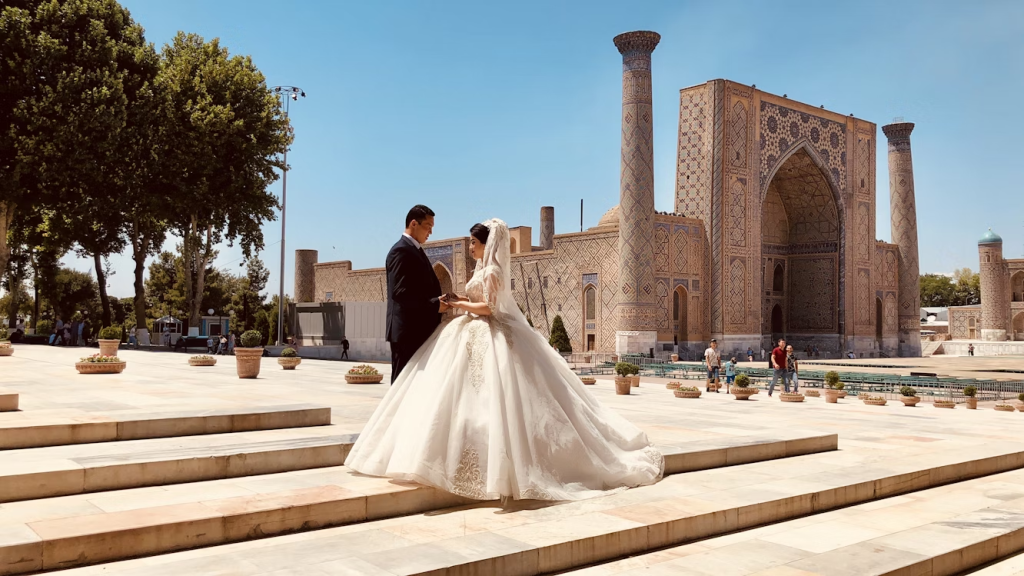
In this article, we’ll break down key aspects to consider when choosing a venue for a traditional Middle Eastern wedding and provide guidance to help make your special day truly unforgettable.
Why not try these out by visiting our website for further tips and insights?
Key Considerations For Choosing A Venue
Capacity And Size Of The Venue
The number of guests is one of the first things to consider when selecting a wedding venue. Traditional Middle Eastern weddings often feature an extensive guest list, sometimes comprising hundreds of guests, including extended family and close friends.
Ensure the venue can comfortably accommodate your guest list, providing sufficient space for dining, dancing, and other festivities.
- Large ballrooms or banquet halls: For larger weddings, ballrooms are ideal, providing ample space for a lavish setup.
- Outdoor options: In some regions, outdoor weddings are common, so consider venues with garden spaces or outdoor terraces for an open-air celebration.
- Multiple rooms or spaces: A venue with separate rooms, such as a designated space for the bride and groom, allows for privacy during specific moments of the celebration.
Location And Accessibility
The location of the venue is another crucial aspect to consider when selecting a venue. It must be accessible for all guests, particularly elderly relatives or those travelling from out of town. Additionally, the location should align with the community’s cultural expectations, ideally situated in a prominent area or one with cultural significance.
- Proximity to the couple’s family: Choose a venue that is convenient for both the bride and groom’s families, ensuring that travel time isn’t an obstacle.
- Ease of access: Ensure the venue is easily accessible by major roads and public transport options.
- Parking availability: Ample parking space is important, particularly for guests driving to the venue. Check if the venue provides valet services or free parking for guests.
Venue’s Reputation And Experience
When selecting a venue for a traditional Middle Eastern wedding, consider the venue’s reputation and experience. Ideally, the venue should have a proven track record of hosting large-scale events and weddings.
Their experience will ensure they understand the unique requirements of a traditional Middle Eastern wedding, including catering, decor, and the importance of specific rituals.
- Reviews and Testimonials: Check online reviews and ask friends or family who have hosted events in the area for recommendations. Positive feedback is often a reliable indicator of a venue’s professionalism.
- Vendor network: A well-established venue will have a trusted network of vendors, such as decorators, florists, photographers, and caterers, who are familiar with the customs and expectations of traditional Middle Eastern weddings.
Aesthetic And Decor Considerations
Traditional Middle Eastern Elements In Venue Design
Middle Eastern weddings are known for their opulence and attention to detail. The venue should reflect this by offering traditional design elements such as intricate carpets, large chandeliers, and rich, bold colours that are symbolic of the region’s culture. The venue’s aesthetic should align with the opulence and grandeur associated with Middle Eastern celebrations.
- Traditional architectural elements: Look for venues with arches, columns, and ornate design features. These elements provide a luxurious setting for the wedding.
- Colour palette: Gold, deep red, emerald, and other jewel tones are commonly used in Middle Eastern wedding decor. Ensure that the venue allows flexibility in terms of decor choices to achieve the desired look.
- Lighting: Proper lighting can transform the ambience. Opt for venues with adjustable lighting that can complement the mood and enhance the visual experience of your wedding.
Flexibility In Customising The Venue
For a traditional Middle Eastern wedding, personalisation and customisation are essential. The venue should be flexible enough to accommodate specific decor requirements, such as:
- Custom floral arrangements: Choose a venue that allows you to bring in your own floral designs or collaborate with a preferred florist to create the perfect look.
- Space for traditional ceremonies: Many Middle Eastern weddings incorporate specific rituals, such as the exchange of vows, henna ceremonies, and dance performances. Ensure the venue can accommodate these traditions.
- Décor options: Ensure that the venue allows you to decorate freely, aligning with your vision, including draping fabrics, lighting installations, and custom seating arrangements.
Catering And Cuisine For A Traditional Wedding
Authentic Middle Eastern Cuisine
A major element of any Middle Eastern wedding is the food. Middle Eastern cuisine is rich in flavours and spices, with a wide variety of dishes served throughout the day. When selecting a venue, it is crucial to verify that the venue’s kitchen can provide the quality and authenticity necessary for a traditional Middle Eastern wedding feast.
- Halal options: Make sure the venue offers halal-certified food, as this is a significant consideration for many Middle Eastern couples.
- Traditional dishes: Look for venues that offer traditional Middle Eastern dishes, such as hummus, shawarma, kebabs, falafel, and baklava. The venue should work with caterers who understand the region’s specific tastes and traditions.
- Customisable menu: Choose a venue that allows you to customise the menu to reflect the specific tastes of the bride, groom, and their families.
Catering Flexibility
Another aspect to consider is the flexibility of the catering service. Traditional Middle Eastern weddings often feature multiple courses, including a variety of appetisers, main courses, and desserts. A venue should be able to accommodate this extensive catering requirement, whether through in-house catering or by working with external catering vendors.
- Buffet or plated service: Depending on the size and style of your wedding, you may prefer a buffet-style service or a more formal plated service. Ensure that the venue can handle either option.
- Tasting sessions: Before making a final decision, ask if the venue offers tasting sessions to sample the dishes and make any necessary adjustments to the menu.
Entertainment And Audio-Visual Needs
Live Music And Traditional Performances
Traditional Middle Eastern weddings often feature live music, including performances by skilled musicians who play instruments like the oud or darbuka. The venue should be equipped with the necessary facilities to accommodate live bands or performers, including proper staging and acoustics.
- Sound and lighting equipment: The venue should have top-quality sound systems to ensure that music and speeches are heard clearly. If live entertainment is part of your wedding, ensure the venue provides the necessary equipment.
- Dance floors: Traditional Middle Eastern weddings often feature lively dance performances, including the famous “Dabke” or other regional dances. The venue should have a spacious dance floor that accommodates these lively activities.
Audio-Visual Support
Middle Eastern weddings often include projections of videos, photos, or light shows that enhance the celebration. Ensure the venue can accommodate your audio-visual needs, including large screens, projectors, or a custom light show.
Conclusion
Choosing a venue for a traditional Middle Eastern wedding requires careful planning and consideration. Focus on factors such as size, location, cultural relevance, catering, and the ability to accommodate specific traditions and customs.
By selecting a venue that aligns with the cultural and personal significance of your wedding, you can ensure that your celebration will be remembered.
Frequently Asked Questions
What Are The Key Features To Look For In A Venue For A Traditional Middle Eastern Wedding?
When selecting a venue for a traditional Middle Eastern wedding, consider factors like the venue’s capacity to accommodate a large guest list, its flexibility in customising decor to reflect cultural traditions, and its ability to provide authentic Middle Eastern cuisine. Additionally, check if the venue offers space for traditional ceremonies and live performances, as these are often integral to the celebration.
How Far In Advance Should I Book A Venue For My Middle Eastern Wedding?
It’s advisable to book your venue at least 6-12 months in advance, especially if you’re planning a wedding during peak seasons. Popular venues can get booked quickly, so securing your venue early gives you more options for dates and customisation, ensuring your preferred location is available.
Can I Bring In My Own Vendors For Catering And Decor?
Many venues for traditional Middle Eastern weddings offer the flexibility to bring in your vendors, particularly for catering and decor. However, some venues may have in-house providers or preferred vendor lists, so it’s essential to discuss this upfront and ensure that your preferred vendors align with the venue’s policies.