
Changes and variations are inevitable in construction projects. Whether you’re managing a construction fit out or overseeing a large-scale development, adjustments to the initial plans and specifications are likely to arise.
These changes can stem from various factors, such as client requests, unforeseen site conditions, regulatory changes, or design modifications. Handling these changes effectively is crucial for maintaining the project’s schedule, budget, and quality.
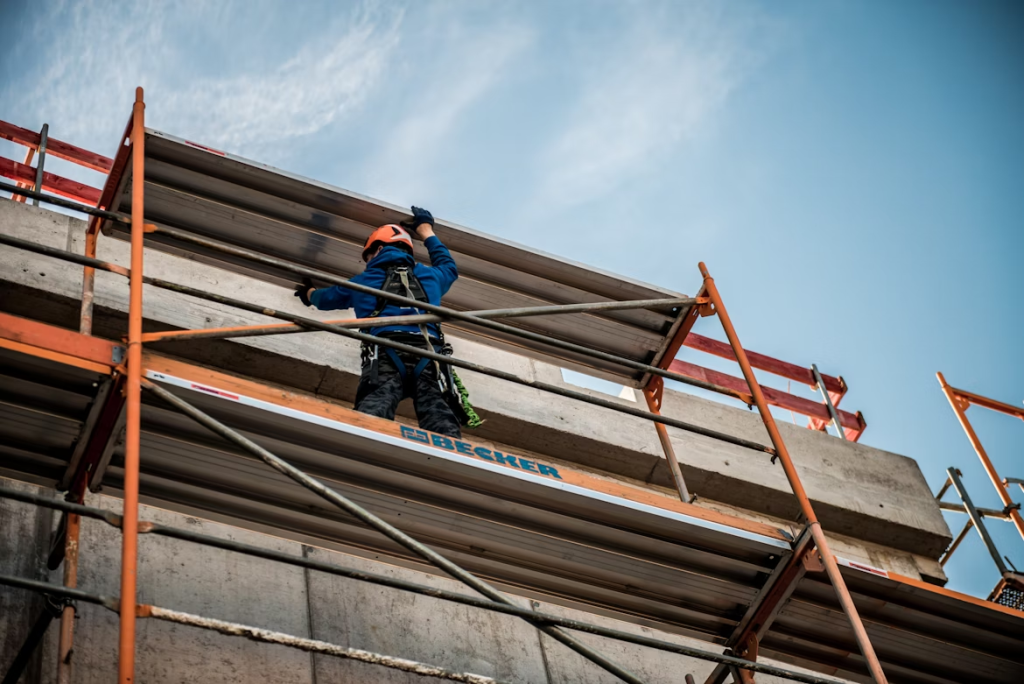
In this article, we will discuss how to manage changes and variations in construction projects, focusing on best practices and strategies that can help minimise disruptions and keep the project on track.
Understanding Changes and Variations in Construction
Changes and variations refer to modifications or adjustments made to the original scope of work outlined in the contract.
These modifications may involve alterations to the design, materials, timeline, or costs of the project. It is essential to differentiate between a change and a variation, as they have different implications in terms of contract management and cost adjustments.
2. What Is a Variation?
A variation is a minor adjustment to the project scope, which may involve changes to materials, quantities, or methods of construction.
Variations often arise due to unforeseen issues or small changes requested by the client. Variations can result in additional costs or extended timelines but are usually less significant than major changes.
The Challenges of Managing Changes and Variations
Managing changes and variations in construction projects can be challenging. Unaddressed or poorly handled changes can lead to delays, increased costs, and disputes between the client, contractors, and subcontractors.
1. Impact on Project Timeline
Changes and variations can significantly affect the timeline of a project. Modifications to the design or construction process may cause delays, which can affect the completion date. It is important to identify and address changes early in the process to mitigate delays.
How Delays Occur:
Approval process
Delays in obtaining approvals for design changes or additional works.
Rescheduling tasks
If changes involve reordering or rescheduling work, this can cause disruptions in the workflow.
Supply chain issues
Modifications to materials or finishes may lead to supply chain delays, particularly if the new materials are not readily available.
2. Impact on Costs
Changes often come with increased costs. Whether it’s due to more expensive materials, additional labour, or extended timelines, it’s crucial to track and manage these costs to prevent budget overruns.
Factors Contributing to Increased Costs:
Additional materials
Changes may require new or special materials that weren’t initially planned for, increasing the overall cost.
Labour costs
Changes may require additional workers or shifts to ensure the work is completed on time, increasing labour costs.
Extended timelines
Delays in the project can lead to additional overhead costs, such as site management fees, equipment hire, or utility costs.
Best Practices for Handling Changes and Variations
Handling changes and variations effectively requires clear communication, proper documentation, and a structured approach to managing adjustments. Below are best practices that can help ensure changes and variations are managed successfully.
1. Clearly Define Change Management Processes
One of the most important aspects of managing changes and variations is having a clear process in place.
A well-defined change management process ensures that all stakeholders understand how changes will be addressed and the impact these changes will have on the project.
Steps in a Change Management Process:
Request for change
Ensure that any proposed changes are formally requested by the client or project manager.
Impact assessment
Assess the impact of the proposed change on the project’s timeline, budget, and quality.
Approval process
Changes should only be implemented once they have been approved by all relevant parties, including the client, project manager, and contractors.
Implementation
Once approved, the changes should be communicated to the relevant team members and executed according to the agreed-upon modifications.
2. Maintain Detailed Documentation
It is essential to maintain detailed records of all changes and variations throughout the project. Documentation helps avoid misunderstandings and disputes down the line and ensures that all parties are on the same page.
Key Documents to Track Changes:
Change orders
A formal document that outlines the details of the requested change, its impact on the project, and any adjustments to cost or timeline.
Variation logs
A log that records all variations, including the nature of the change, the associated costs, and the timeline adjustments.
Correspondence
Keep all emails, letters, or meeting minutes that relate to the change or variation request, as these documents provide a clear record of discussions and approvals.
3. Communicate Changes Clearly with All Stakeholders
Effective communication is crucial when managing changes. All stakeholders, including the client, project team, and subcontractors, should be kept informed about any changes or variations that occur throughout the project.
How to Communicate Changes Effectively:
Regular meetings
Hold regular meetings with the client, contractors, and subcontractors to review the status of changes and variations and ensure alignment.
Written confirmations
Ensure that all changes and variations are confirmed in writing to avoid misunderstandings.
Project management software
Use project management tools such as Procore or Buildertrend to track changes, communicate updates, and keep everyone informed in real-time.
4. Use a Contingency Plan for Unforeseen Changes
In construction, not all changes can be anticipated, especially when dealing with unforeseen site conditions or regulatory changes. A contingency plan can help account for the possibility of unexpected adjustments during the construction phase.
How to Manage Unforeseen Changes:
Contingency budget
Set aside a portion of the budget to cover unexpected costs due to changes or variations.
Buffer in timeline
Build some buffer time into the project schedule to accommodate delays caused by unexpected changes.
Risk management
Implement a risk management plan to identify potential areas where changes are likely to occur and plan accordingly.
5. Ensure Fair Compensation for Variations
Variations should be compensated fairly, and the cost implications of changes should be clearly agreed upon before work begins. Having a clear system for pricing variations helps avoid disputes between contractors and clients.
How to Address Variation Costs:
Standard rates
Use standard rates for variations to ensure consistency and fairness in pricing.
Negotiation
Be prepared to negotiate variation costs with the client and subcontractors, ensuring that all parties are satisfied with the outcome.
Transparency
Provide transparent breakdowns of the costs associated with each variation, including labour, materials, and any other expenses.
Dealing with Disputes over Changes and Variations
Disputes over changes and variations are not uncommon, especially when there are disagreements about costs, scope, or timelines. It is important to handle these disputes professionally and promptly to avoid disrupting the project.
1. Settle Disputes Early
Disputes can escalate if not addressed quickly. The sooner disagreements are resolved, the less impact they will have on the project timeline and budget.
Steps for Dispute Resolution:
Open communication
Address concerns directly with the involved parties, focusing on finding a mutually agreeable solution.
Mediation
If parties are unable to resolve a dispute on their own, consider using a mediator to facilitate discussions and reach a compromise.
Contractual recourse
Ensure that the contract outlines procedures for resolving disputes, such as arbitration or legal intervention.
2. Review the Contract Regularly
The contract should clearly outline how changes and variations will be handled. Regularly reviewing the contract ensures that all parties are aware of their rights and responsibilities when changes arise.
Contract Elements to Focus On:
Variation clauses
These clauses should detail the process for submitting, approving, and pricing variations.
Dispute resolution procedures
Ensure that the contract includes provisions for resolving disputes related to changes or variations.
Time extensions
The contract should specify how time extensions are granted if a variation affects the project schedule.
Conclusion
Handling changes and variations in construction projects is an inevitable part of the process.
By having a clear and structured approach to managing changes, communicating effectively with stakeholders, and ensuring that variations are properly documented and compensated, you can mitigate the risks associated with adjustments during construction.
Whether it’s a construction fit out or a large-scale development, managing changes effectively is essential for keeping projects on time, within budget, and of high quality.
Frequently Asked Questions
How do I handle changes requested by the client during construction?
To handle client-requested changes, follow a structured change management process. Ensure that the change is properly documented, assess its impact on the project, and obtain approval from all relevant parties before implementing the change.
How can I avoid delays due to changes in construction projects?
To avoid delays, build buffer time into the schedule, communicate changes early, and keep track of progress regularly. Also, ensure that all parties involved understand the implications of the changes on timelines.
Are there any best practices for pricing variations?
To price variations fairly, use standard rates for labour and materials, provide detailed cost breakdowns, and ensure transparency with the client. Consider negotiating costs to ensure all parties are satisfied with the final amount.