
The retail industry is undergoing rapid changes, and one of the most significant areas of transformation is in retail fit-outs. The way stores are designed and fitted out plays a pivotal role in enhancing customer experiences, boosting sales, and ensuring a seamless shopping journey.
With customer expectations evolving and competition intensifying, staying ahead of retail fit-out trends is essential for retailers who want to remain relevant and successful.
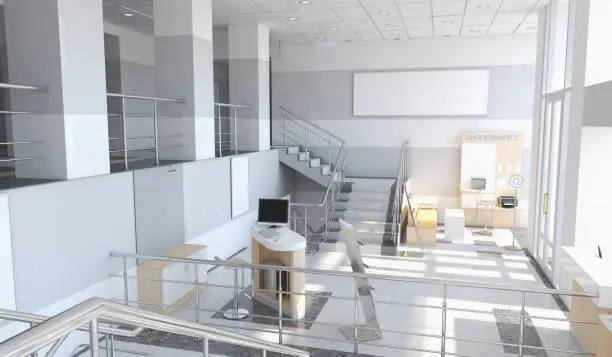
In this article, we’ll explore the top trends in retail fit-outs and how they are shaping the future of retail spaces.
Whether you’re considering a new store layout or a renovation, these trends will help guide your decisions. If you’re also looking for inspiration for a bar fitout, these trends can offer valuable insights for creating engaging and functional spaces.
The Rise of Experience-Focused Retail Spaces
Creating Memorable Experiences
One of the key trends in retail fit-outs is the focus on creating memorable customer experiences. Consumers are no longer just looking for products; they want an experience that resonates with them.
This trend has led to the rise of interactive displays, sensory environments, and unique store designs that engage multiple senses.
Retailers are shifting from the traditional shopping experience to something more immersive and experiential. This can include product demonstrations, live events, or even spaces that allow customers to participate in the creation process of the products they’re buying.
Sustainability in Retail Fit-Outs
Eco-Friendly Materials and Practices
Sustainability has become a priority in the retail industry, and this is reflected in the way retail fit-outs are approached. Many retailers are now opting for sustainable materials and environmentally conscious design practices.
This includes the use of recycled or renewable materials for fixtures, flooring, and furnishings. Additionally, energy-efficient lighting and heating systems are being incorporated into fit-outs, contributing to a reduced carbon footprint.
Key Sustainability Features in Retail Fit-Outs
Key sustainability features in retail fit-outs include the use of energy-efficient lighting, such as LED lights and motion sensors, to reduce energy consumption.
Retailers are also opting for sustainable flooring materials like bamboo, cork, or recycled wood, which are both eco-friendly and durable.
Additionally, many stores are incorporating eco-friendly fixtures made from recyclable metals, glass, or other sustainable materials for their fittings, helping to reduce waste and environmental impact.
These sustainable practices not only contribute to a greener planet but also align with the values of consumers who prioritize eco-conscious brands.
Retailers who adopt sustainable practices not only help the environment but also attract customers who value corporate responsibility and ethical practices.
Technology Integration
Smart Store Solutions
As technology continues to advance, retailers are incorporating smart solutions into their fit-outs. This can include smart mirrors, self-checkout kiosks, augmented reality (AR) experiences, and even robots that assist with customer service.
By integrating advanced technology into the physical retail space, businesses can streamline operations, enhance the shopping experience, and create a seamless connection between the digital and physical worlds.
Technology Trends in Retail Fit-Outs
Interactive displays, which allow customers to explore product features, check availability, or try virtual products, are becoming a staple in modern retail fit-outs.
Additionally, mobile payment solutions that integrate mobile wallets and contactless payment systems provide quicker and safer transactions, enhancing the overall shopping experience.
Augmented Reality (AR) is also being incorporated, allowing customers to virtually try on clothes or visualise furniture in their own homes, creating a more immersive and personalised shopping journey.
These technological advancements help streamline operations and elevate customer engagement in innovative ways.
Minimalist and Clean Designs
Less is More
Another trend that’s shaping retail fit-outs is the move towards minimalist designs. This approach focuses on simplicity, clean lines, and open spaces. The goal is to create a calming and uncluttered environment where products can take centre stage.
Retailers are opting for fewer, more strategically placed products, allowing customers to focus on key offerings without distractions. Minimalist designs also make the space feel more expansive, which is particularly useful in smaller stores.
The Benefits of Minimalist Fit-Outs
Minimalism in retail fit-outs improves customer focus by removing distractions, allowing customers to concentrate solely on the products.
The simple and clean designs have a timeless appeal, reducing the need for frequent updates and ensuring that the store remains relevant over time.
Additionally, by limiting the number of items on display, the layout increases product visibility, ensuring that each product gets more attention and stands out in the space.
This approach creates a calm and engaging environment for shoppers, helping them make decisions without feeling overwhelmed.
Flexible and Adaptive Spaces
Multi-Functional Spaces
Flexible retail spaces that can adapt to different needs are becoming increasingly popular. Whether it’s a pop-up store, a seasonal display, or an area that can be reconfigured for special events, retailers need spaces that can serve multiple purposes.
Flexible fit-outs allow for quick adjustments in response to changing customer needs or market trends. This adaptability ensures that retailers are always ready for new opportunities, such as launching a new product line or hosting a promotional event.
Localisation and Personalisation
Tailoring Retail Fit-Outs to Local Markets
Personalisation and localisation are key aspects of modern retail fit-outs. Retailers are increasingly tailoring their store designs to reflect local culture, preferences, and shopping habits.
This approach allows retailers to connect with local consumers on a deeper level by offering products and experiences that resonate with the local community.
Localised fit-outs can also include specific cultural elements, colours, and materials that align with the target audience’s preferences.
The Return of Physical Stores
Merging Online and Offline Shopping
The rise of e-commerce has reshaped the retail landscape, but the demand for physical stores is far from over. Retailers are rethinking the role of the physical store, using it as a space for interaction, fulfilment, and unique experiences.
Instead of competing with online shopping, physical stores are being transformed into places where customers can touch, feel, and try products before making a purchase.
This hybrid approach is often referred to as “omnichannel” retailing, where the physical and digital shopping experiences are seamlessly integrated.
Conclusion
Top trends in retail fit-outs are focused on enhancing the customer experience, integrating technology, and embracing sustainability. Retailers must adapt to changing consumer preferences and technological advances to stay ahead of the competition.
By following these trends, businesses can create engaging, functional, and forward-thinking spaces that align with the future of retail.
Frequently Asked Questions
What is the cost of a retail fit-out?
The cost of a retail fit-out varies depending on the size of the space, location, and the complexity of the design. On average, a retail fit-out can cost anywhere from $1,000 to $3,000 per square metre.
How long does it take to complete a retail fit-out?
The time it takes to complete a retail fit-out depends on the size and scope of the project. A simple store redesign could take 4 to 6 weeks, while a more complex fit-out with custom features or large-scale technology integration could take several months.
Can I carry out a retail fit-out myself?
While it’s possible to do some elements of a retail fit-out yourself, it’s usually best to hire professionals. Expert designers, architects, and contractors have the skills and experience to ensure that the fit-out meets building codes, branding goals, and customer expectations.