
Planning a commercial fit-out is an exciting process that allows you to shape your workspace to reflect your brand and business needs. However, the journey from vision to reality can be fraught with pitfalls.
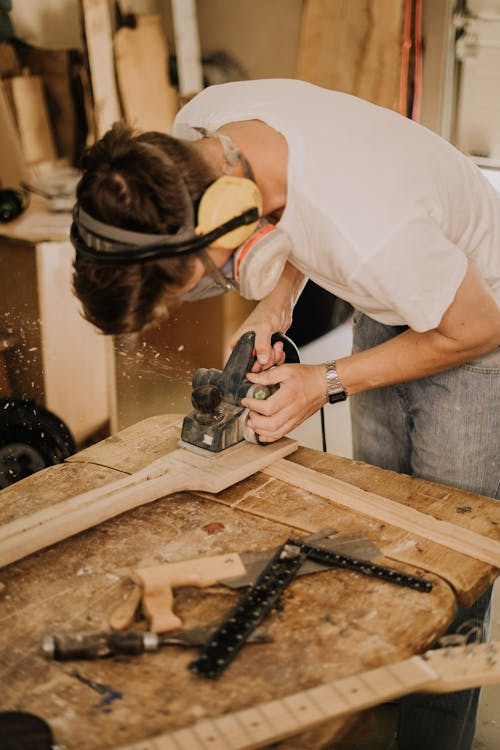
Mistakes during a fit-out can lead to unnecessary costs, delays, and operational inefficiencies. In this article, we will explore the five most common fit-out mistakes and provide practical tips on how to avoid them. If you want to make sure your fit-out is successful, find out here.
Mistake 1: Not Defining a Clear Budget
One of the most significant mistakes businesses make when planning a fit-out is failing to define a clear budget. Without a detailed financial plan, costs can easily spiral out of control.
Understanding Your Costs
A commercial fit-out involves various expenses, from design and construction to furniture and technology. It’s essential to break down each cost component and get accurate quotes before proceeding. These costs can include:
- Construction and labour costs
- Materials and finishes
- Furniture and fittings
- Technology infrastructure
By having a solid understanding of what each element will cost, you can ensure that the project stays within budget.
How to Avoid This Mistake
To avoid overspending, establish a realistic budget at the outset and ensure that all stakeholders are on the same page.
Allocate a contingency fund (usually 10-15% of the total budget) for unforeseen expenses. Keep track of costs regularly during the project and make adjustments if necessary.
Mistake 2: Failing to Plan for Future Growth
Another common mistake is not planning for future growth. A fit-out should not only meet your immediate needs but also be flexible enough to accommodate future changes in your business.
Predicting Future Needs
As your business grows, your space requirements may change. Whether it’s adding more workstations, expanding storage, or creating new meeting areas, it’s essential to plan ahead. A static fit-out may quickly become cramped or impractical as your business evolves.
How to Avoid This Mistake
To ensure your fit-out is future-proof, build flexibility into your design. Choose modular furniture and layouts that can be easily adjusted or expanded. Additionally, incorporate technology that can grow with your business, such as scalable IT infrastructure and adaptable power outlets.
Mistake 3: Ignoring Employee Comfort
Employee comfort is often overlooked in favour of aesthetics, but neglecting this can result in a less productive and unhappy workforce. Your employees spend a large portion of their day in the office, so it’s essential to create an environment that promotes both comfort and productivity.
Ergonomics and Functionality
When selecting office furniture, ensure that it supports good posture and productivity. Ergonomic desks, chairs, and seating areas can help minimise strain and discomfort, boosting employee performance.
How to Avoid This Mistake
Invest in ergonomic furniture and create a workspace that supports different types of work. Include quiet zones for focused work, collaborative spaces for teamwork, and break areas for relaxation.
The design should allow employees to work comfortably, whether they are standing, sitting, or collaborating.
Mistake 4: Overlooking Lighting and Acoustics
Lighting and acoustics are two crucial elements that can make or break the atmosphere of your fit-out. Poor lighting can lead to eye strain and decreased productivity, while bad acoustics can create noise distractions and negatively impact communication.
The Importance of Proper Lighting
Lighting plays a critical role in creating a comfortable and productive workspace. Natural light is ideal, but artificial lighting should also be carefully considered.
Overhead fluorescent lights can be harsh, so it’s important to include task lighting, ambient lighting, and adjustable options that suit the tasks being performed.
Addressing Acoustics
Acoustic treatment is especially important in open-plan offices, where noise can be a significant distraction. Without proper sound control, employees may find it difficult to focus or communicate effectively.
How to Avoid This Mistake
To avoid lighting and acoustic issues, consider the following:
- Incorporate natural light as much as possible by using large windows and glass partitions.
- Use task lighting for specific work areas, such as desk lamps or adjustable light fixtures.
- Add acoustic panels or other soundproofing materials in high-traffic or open areas to absorb noise and create a more focused environment.
- Use flexible lighting systems to ensure the right level of illumination for different tasks throughout the day.
Mistake 5: Not Consulting Professionals
While it may be tempting to take on a commercial fit-out project yourself, not seeking the advice and assistance of professionals is a common mistake.
Commercial fit-outs involve complex design, construction, and compliance considerations that are difficult to navigate without experience.
The Role of Experts
Professional interior designers, architects, and contractors have the expertise to bring your vision to life while ensuring that the fit-out meets safety regulations, complies with building codes, and fits within your budget and timeline.
How to Avoid This Mistake
Instead of attempting to manage the fit-out process on your own, hire experienced professionals to help guide you through the project. Work with interior designers who understand your brand and needs, and collaborate with contractors who have a proven track record of delivering high-quality results.
Ensure that all parties involved are clear on expectations and deadlines.
Conclusion
A successful commercial fit-out requires careful planning and attention to detail. By avoiding these common mistakes, you can create a workspace that enhances your business operations, promotes employee productivity, and provides a positive customer experience.
Whether it’s defining your budget, planning for future growth, prioritising employee comfort, addressing lighting and acoustics, or consulting professionals, each step plays a crucial role in achieving your desired result.
Frequently Asked Questions
What is the average cost of a commercial fit-out?
The cost of a commercial fit-out can vary depending on the size of the space, the type of design, and the materials used.
On average, commercial fit-outs can cost between $1,000 and $3,000 per square metre. It’s important to get quotes from multiple contractors and plan your budget accordingly.
How long does it take to complete a commercial fit-out?
The duration of a commercial fit-out depends on the complexity of the project. For smaller fit-outs, the timeline can range from 4 to 8 weeks, while larger or more intricate projects may take several months.
It’s crucial to set clear expectations with your contractor to ensure the fit-out is completed within your desired timeframe.
How can I make my commercial fit-out more eco-friendly?
To make your fit-out more eco-friendly, consider using sustainable materials such as recycled wood, bamboo, or low-VOC paints.
Incorporating energy-efficient lighting and climate control systems, as well as recycling waste during construction, can further reduce your environmental impact.