
Transform your commercial space with professional renovation services to boost your business’s image, efficiency, and functionality.
Whether you run a retail outlet, an office, or a hospitality venue, a well-executed renovation can enhance customer experience, improve employee productivity, and ensure your premises meet modern standards.
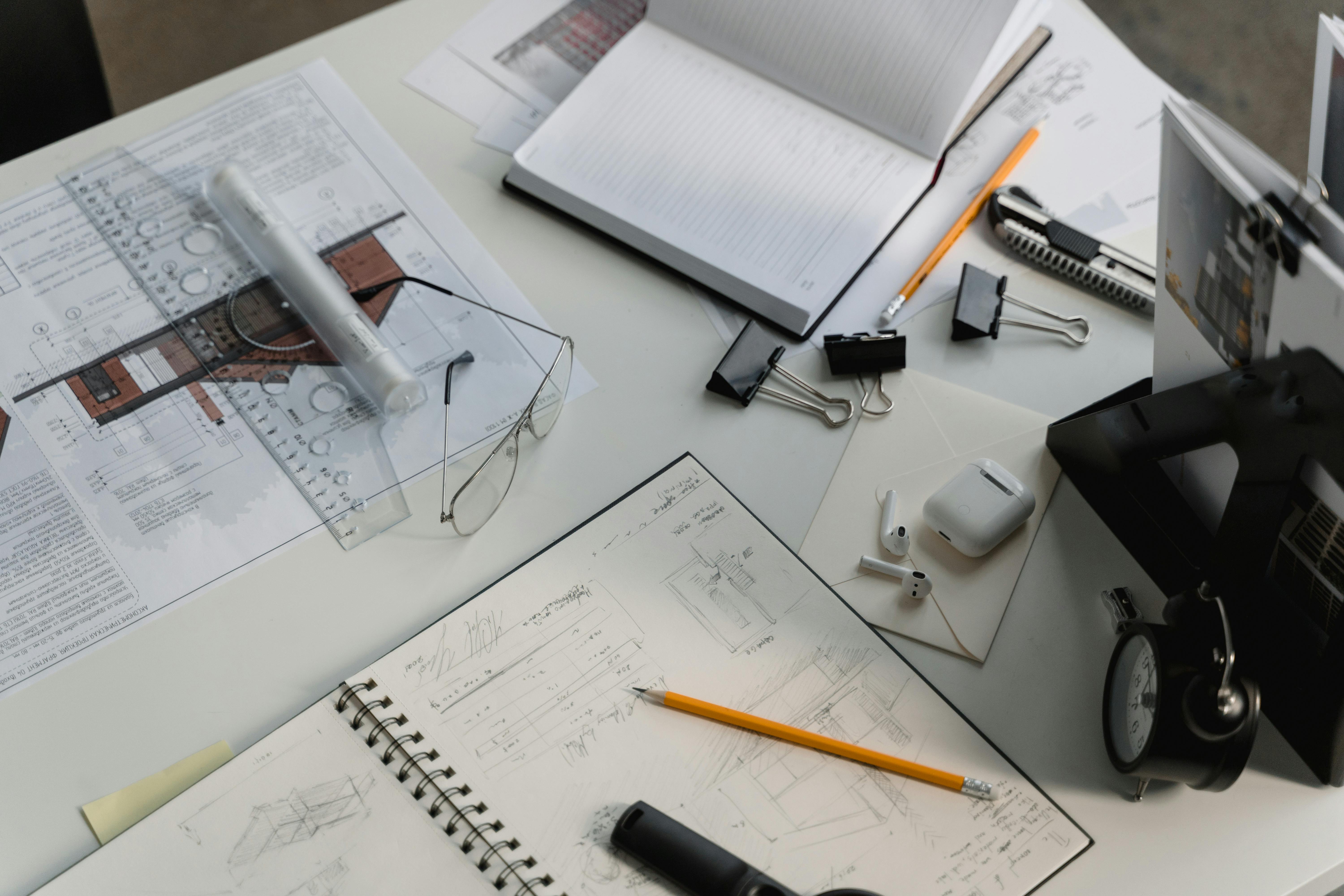
In this informative post, you will find practical guidance on the process, from planning and budgeting to choosing materials and managing the project.
This article provides a comprehensive overview to help you make confident decisions that deliver a successful renovation tailored to your commercial needs.
Understanding the Importance of Commercial Renovations
Why Should You Renovate Your Commercial Space?
Transform your commercial space with professional renovation services when your business premises no longer meet your operational or branding requirements. Renovations can:
- Refresh outdated interiors to attract new customers
- Improve workplace comfort for staff, boosting morale
- Maximise the use of available space for efficiency
- Comply with updated building and safety regulations
- Reduce energy consumption and operating costs
A modern, functional commercial space sends a strong message about your business’s professionalism and values.
Signs It’s Time for Renovation
You might need to consider renovation if your commercial property:
- Shows wear and tear such as cracked walls or damaged flooring
- Has inefficient layouts causing workflow bottlenecks
- Lacks modern facilities or technology infrastructure
- Fails to comply with current health and safety regulations
- Needs to reflect a change in brand image or business focus
Professional renovation services help identify these issues and recommend appropriate solutions.
Planning Your Commercial Renovation Project
Setting Clear Goals
Transform your commercial space with professional renovation services by first establishing what you want to achieve. Common goals include:
- Creating a welcoming reception or showroom area
- Adding meeting rooms or private offices
- Updating lighting and ventilation systems
- Installing energy-efficient equipment
- Improving accessibility and safety features
Clearly defined objectives guide the renovation design and ensure it meets business needs.
Budgeting for Success
A well-planned budget is vital. Include the following components:
- Design and consultancy fees
- Construction materials and labour
- Permits, inspections, and compliance costs
- Contingency fund (10-15%) for unexpected expenses
Getting multiple quotes from contractors helps set realistic budget expectations and ensures competitive pricing.
Developing a Realistic Timeline
Minimise disruption by agreeing on a timeline with your contractor. This should outline:
- Start and finish dates
- Key project milestones (e.g., demolition, installation, final inspection)
- Contingency for delays
Phased renovations allow parts of your business to remain operational during work.
Hiring the Right Professionals
Engage licensed builders, architects, and designers with commercial renovation experience. Verify their:
- Credentials and insurance
- Portfolio of completed projects
- Client references
A strong team delivers quality work and adherence to regulations.
Design Considerations for Commercial Spaces
Interior Layout and Flow
Transform your commercial space with professional renovation services focusing on efficient layouts. Effective design includes:
- Open-plan workspaces encouraging collaboration
- Private offices or meeting rooms for confidential work
- Clear navigation paths for customers and staff
- Waiting or lounge areas that offer comfort
Good layout reduces wasted space and supports smooth business operations.
Lighting and Ventilation Upgrades
Lighting affects mood, productivity, and appearance. Modern renovations often feature:
- LED lighting with adjustable controls
- Maximised natural light through windows or skylights
- Well-designed ventilation and air conditioning systems
These enhancements improve air quality and energy efficiency.
Flooring and Surface Finishes
Commercial floors must withstand heavy foot traffic and be easy to clean. Options include:
- Polished concrete for durability and a modern look
- Vinyl or laminate flooring for affordability and comfort
- Ceramic or porcelain tiles in wet or high-use areas
Choose finishes that complement your brand and maintenance requirements.
Branding Through Design Elements
Professional renovation services can integrate branding into your space through:
- Custom colour schemes and wall graphics
- Signage that guides and informs visitors
- Branded reception desks and furniture
Consistent design supports your business identity.
Technology and Infrastructure Upgrades
Electrical and Data Systems
Transform your commercial space with professional renovation services that upgrade electrical wiring and data cabling. Benefits include:
- Supporting modern office equipment and IT systems
- Enabling fast, reliable internet connectivity
- Improving safety with up-to-date electrical standards
Security and Safety Features
Include essential systems such as:
- CCTV cameras and monitored alarms
- Fire detection and suppression equipment
- Access control systems for restricted areas
These protect your premises and staff.
Energy Efficiency and Sustainability
Incorporate eco-friendly features to reduce operating costs and appeal to environmentally aware customers. Common upgrades:
- Solar panels and energy-efficient lighting
- Water-saving taps and toilets
- Sustainable building materials and insulation
Managing the Renovation Process
Minimising Business Disruption
Schedule construction activities to reduce impact. Options include:
- After-hours or weekend work
- Phased renovations where sections are completed one at a time
- Temporary relocation of departments if necessary
Discuss these options early with your contractor.
Communication and Monitoring
Maintain regular contact with your renovation team. Suggested actions:
- Weekly progress meetings
- Site visits to inspect work quality
- Promptly addressing issues or changes
Clear communication keeps the project on track.
Quality Control and Compliance
Request documentation for all work stages, including:
- Material certifications
- Safety inspections
- Compliance with local building codes
This ensures standards are met and protects your investment.
Post-Renovation Maintenance and Upkeep
Routine Maintenance Tasks
Preserve your renovated space by scheduling:
- Regular cleaning of floors, walls, and fixtures
- Servicing HVAC and lighting systems
- Checking for wear and damage and repairing promptly
Routine care extends the lifespan of materials and systems.
Updating Safety Measures
After renovation, confirm your space meets updated safety codes by:
- Testing fire alarms and sprinklers
- Ensuring clear and accessible emergency exits
- Providing appropriate signage and lighting
This protects occupants and limits liability.
Avoiding Common Renovation Pitfalls
Underestimating Costs
Many projects go over budget due to unforeseen repairs or scope changes. Keep a contingency fund and review all quotes carefully.
Poor Planning
Skipping detailed plans leads to delays and unsatisfactory results. Work closely with professionals from the start.
Inadequate Communication
Failing to communicate with contractors or staff causes confusion. Set expectations and provide regular updates.
Ignoring Building Regulations
Non-compliance risks fines or the need to redo work. Always ensure licensed professionals handle approvals.
Conclusion
Transform your commercial space with professional renovation services to create a modern, efficient, and welcoming environment for customers and employees.
Thoughtful planning, skilled professionals, and quality materials deliver lasting benefits for your business operations and reputation.
Frequently Asked Questions
1. How long does a typical commercial renovation take?
Timelines vary widely. Minor refurbishments might take 4-6 weeks, while larger fit-outs or structural renovations can last several months. Your renovation team will provide an estimated schedule based on scope.
2. Can my business remain open during renovation?
Many businesses continue operating by staging renovations or scheduling work outside business hours. Discuss this with your contractor to develop a plan that minimises disruption.
3. What certifications should I look for in a renovation team?
Look for licensed builders and tradespeople with commercial construction experience. Certifications for electrical, plumbing, and safety compliance are also important.